Your Account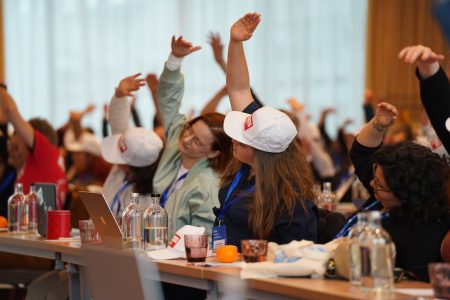
EMSP2026 Conference: Moving the needle on MS and related disorders
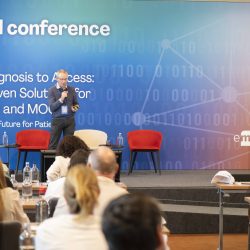
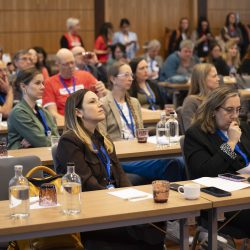
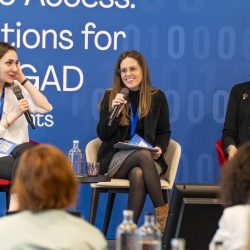
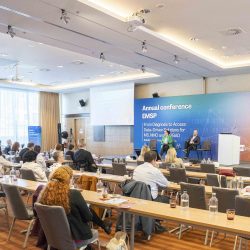
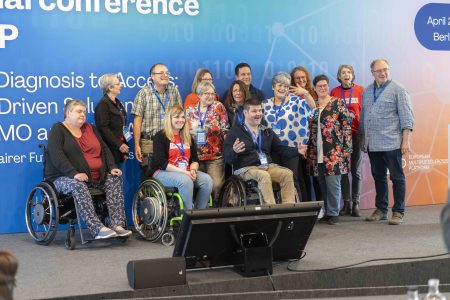
24.04.2026Berlin welcomed us with a packed room and a shared mission: building a fairer future for people living with MS, NMOSD, and MOGAD and sent us home with plenty to act on. From patient voices to policy levers, here’s a quick look back at what moved us.
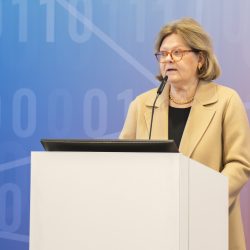
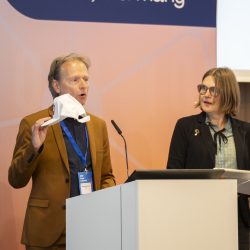
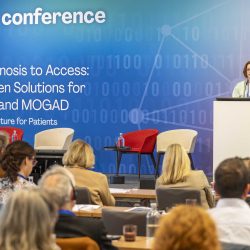
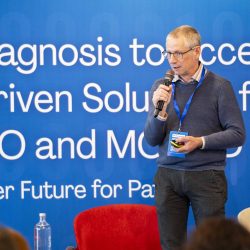
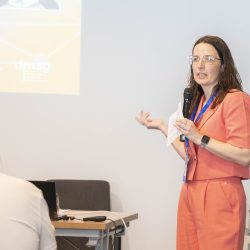
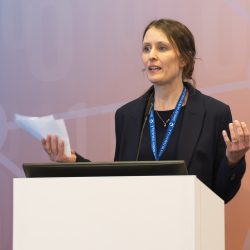
The day opened with a warm welcome from DMSG, CEO, Herbert Temmes and its Chair, Judith Haas who set the stage with the conference theme. They were followed by a video message from former German President and DMSG patron Christian Wulff.
Patient Perspectives at the Forefront
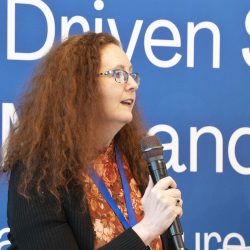
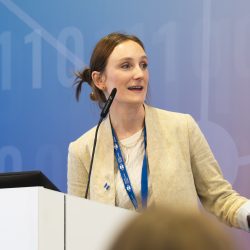
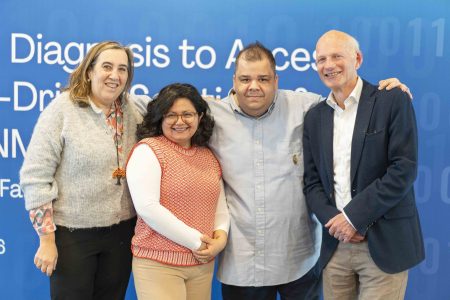
Katerina Misiura (Ukrainian MS Society) and Aida Fuentes, and opened the conference with two very different journeys: a teenage MS diagnosis that became fifteen years of advocacy, an NMOSD diagnosis arriving mid-motherhood, and a shared reminder that community changes the diagnosis.
The Science Got Sharper
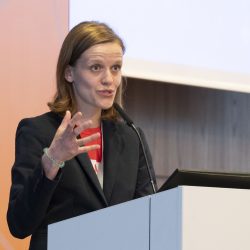
Anke Salmen, Ruhr University Bochum, decoded the McDonald 2024 criteria, and the optic nerve officially joined the club as a fifth region. Central Vein Sign, Paramagnetic Rim Lesions, Kappa Free Light Chains, and a new “preclinical MS” category rounded out the updated toolbox, all pointing to one outcome: fewer people waiting years for answers. View Anke’s presentation here.
We Moved, Literally!
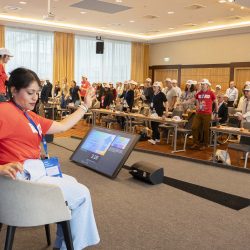
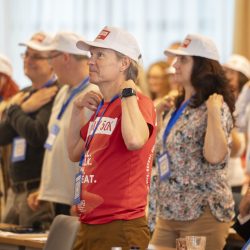
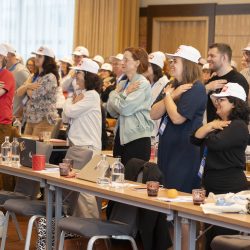
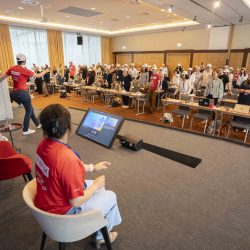
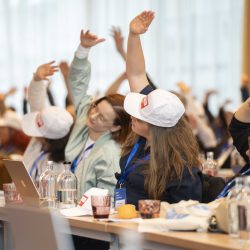
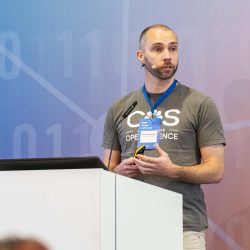
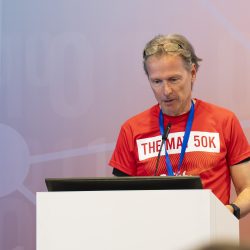
Stephanie Woschek (DMSG) got the entire room moving for coordination exercises, and it was the best kind of interruption. Ten minutes of moving together beat ten more minutes of sitting still — a reminder that movement belongs in every conference agenda, and in everybody’s. Thank you, Stephanie! View her presentation on strengthening motor abilities here.
Trials, Data, and the Diagnostic Gap
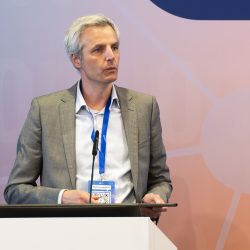
Paul Friedemann, Charité Hospital, made the case for clinical trials as the engine behind better diagnosis, not just better drugs — with neurofilament light chain moving from research tool to clinical ally.
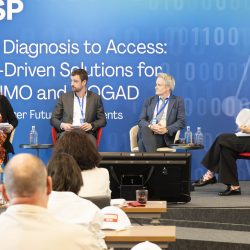
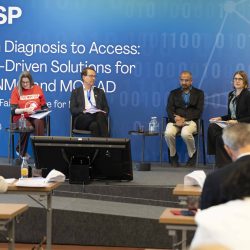
Bruno Stankoff, ECTRIMS, Rachel King, MSIF, and Hugo Hermantin, European Brain Council, then tackled why geography still dictates diagnostic timing in Europe, and what it would take to fix it: simplified national guidance, better-trained GPs, mobile MRI units, and EU-level prioritisation.
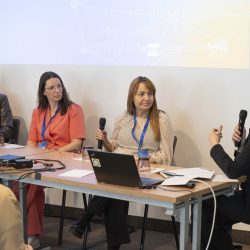
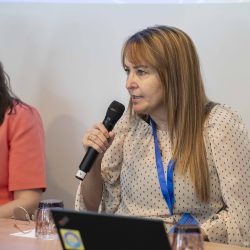
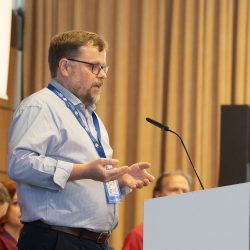
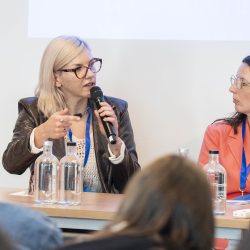
The afternoon breakout on registries and Patient Reported Outcomes with Alexander Stahmann CEO, German Multiple Sclerosis Registry, Giampaolo Brichetto Italian MS Society Foundation, and Olmo van den Akker, QUEST Center for Responsible Research, Berlin Institute of Health moderated by Birgit Bauer (European Digital Health Academy), introduced us to the MS Iceberg – all the fatigue, anxiety, and cognitive burden that clinic visits miss, and made the case that trust is the real currency of data. View Alexander’s , Giampaolo’s and Olmo’s presentation here, here and here respectively.
From Data to Action: Building Evidence-Based Policies
Janaki Raman Rangarajan, VPH, Lydia Makaroff, MSIF, and Jan Anders Istad, Norwegian MS Society; made a compelling case that good policy starts with good data and good storytelling. Scientific data and policy data aren’t the same thing; getting lived experience, registries, and health economics into the same room is how MS societies secure their fair share of attention and funding. AI came up too, with a healthy dose of realism: a useful GPS, not a gamechanger, and only as fair as the data it’s trained on. The call to action was clear- share data across Europe, put patient voices at the policy table, and remember that data, done right, saves lives.
Check out the Day 2 highlights here.
View the abstracts from the Poster presentations here.