 Your Account
Diagnosis to Discovery
21.11.2025Luigi Azzarone | MS Researcher and Young Patients Advocate | Italy

“At the beginning, it’s something destructive, something that can burn him from the inside. But over time he learns to understand it, control it, and eventually use it as a source of strength.”
Luigi Azzarone was seventeen, sitting at his computer, when he typed his symptoms into Google. The strange tingling in his pinkie toes had spread up both legs over two weeks. Multiple Sclerosis appeared at the top of the search results.
“But I felt it was probably one of those exaggerated cases, like when you have a headache and online it says you might have cancer,” he remembers. “So I ignored it.”
His general practitioner agreed—probably just sciatic nerve inflammation. Take some anti-inflammatories. The symptoms vanished. But two months later, they came back, this time creeping into his hands and trunk, blurring his vision into double images. The internet diagnosis wasn’t so easy to dismiss anymore.
In early 2015, at eighteen, Luigi received the confirmation: Multiple Sclerosis. He remembers feeling curious, almost detached, trying to understand the mechanism. “My antibodies are getting into my brain and destroying my neurons, right?” he asked the doctor immediately after being told. “I took it relatively easy, maybe way too easy.”
But beneath that clinical curiosity, something else was taking root. “I thought I could turn something difficult and life-changing into something meaningful—not only for myself, but hopefully for others as well. It became a way to contribute directly to a cause that affects my life so profoundly.” That realization would reshape everything.
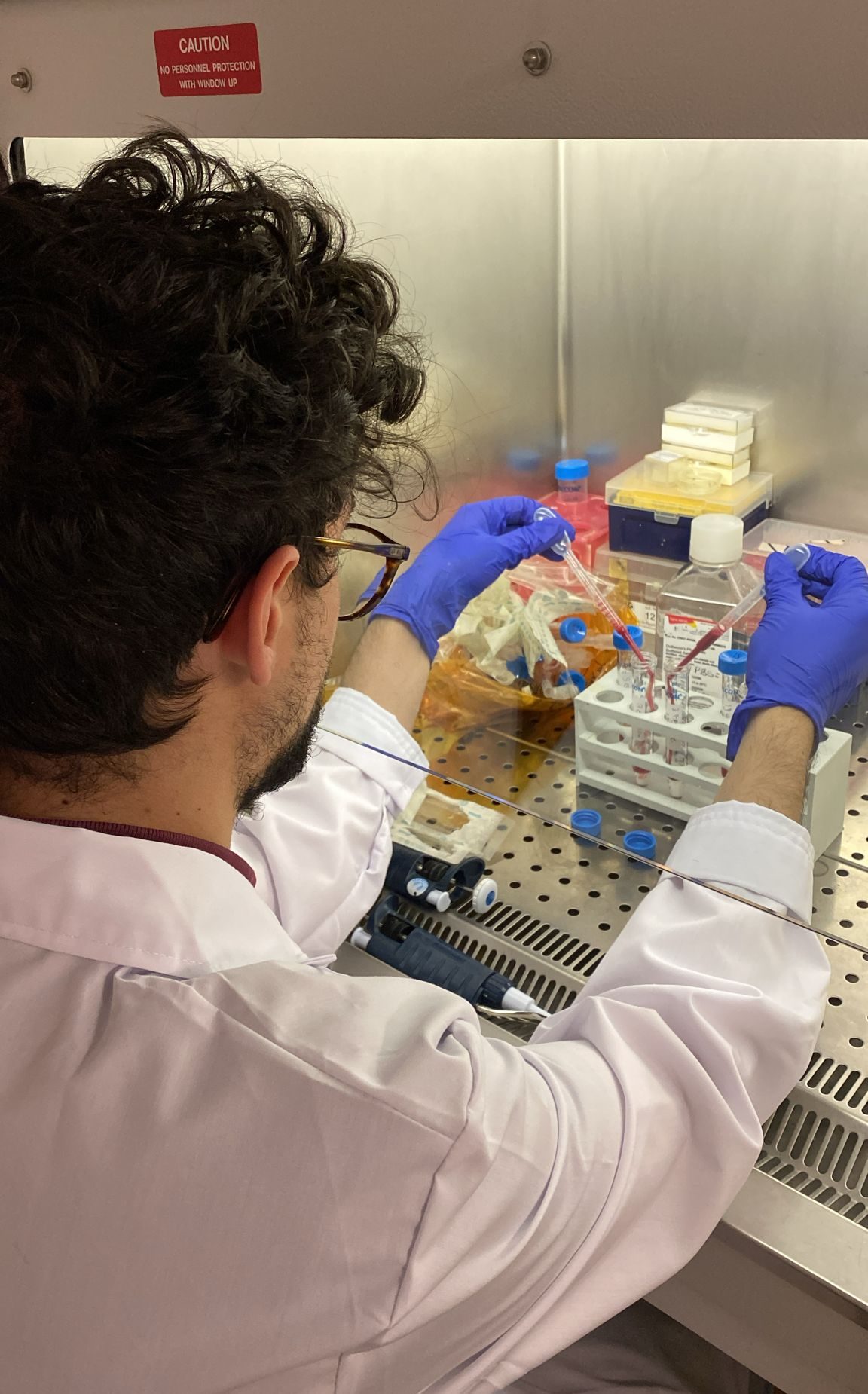
Today, at 28, Luigi works at a startup in Italy developing a drug that targets the overactive immune response in MS without shutting down the entire immune system—a critical distinction for someone who knows firsthand what immunosuppression feels like. “As a patient myself, I have firsthand experience with the downsides of immunosuppressive therapies, including increased susceptibility to infections.”
His work is personal in ways his colleagues can’t fully grasp. Every molecule he studies, every pathway he maps, connects directly to what’s happening in his own body. The research isn’t abstract—it’s survival transformed into purpose.
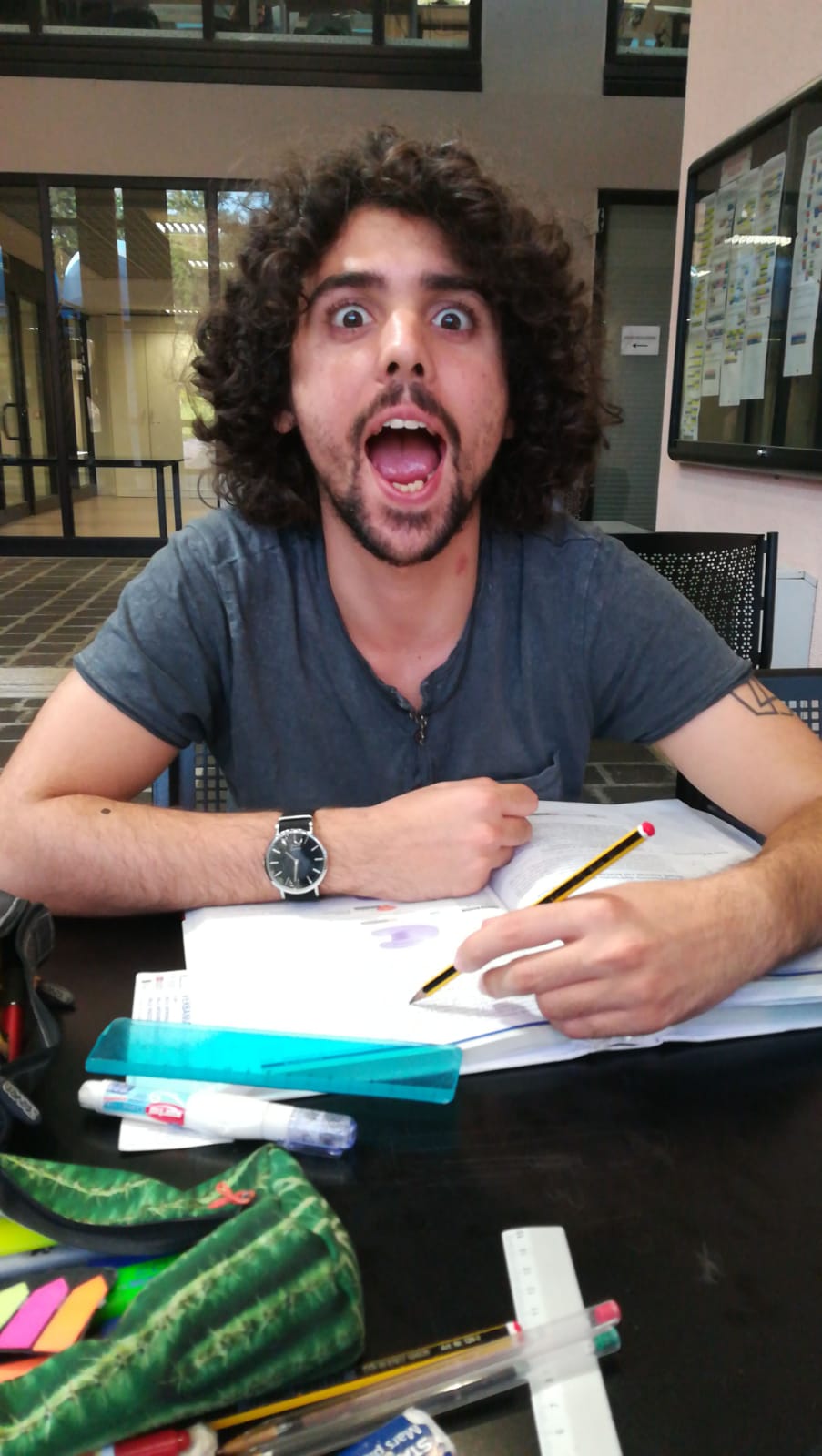
Through it all, there’s been Camilla. They met during their second year of university, in an organic chemistry study group of all places. “I usually studied alone, but that time I decided to join and it turned out to be a great decision.”
One month into dating, Luigi had to switch therapies. The first dose required hospital monitoring—electrodes tracking his heart, machines beeping steadily. He sent her a photo. She panicked, thinking something terrible had happened. That’s when he told her about the MS.
“At the beginning, it’s something destructive, something that can burn him from the inside. But over time he learns to understand it, control it, and eventually use it as a source of strength. That’s exactly how I feel about MS. “It is so
For a decade, Luigi kept MS compartmentalized. “The less I think about it, the better I feel—and, in fact, that actually worked for me.” He stayed away from MS associations, not ready to confront the disease that way. But last year, something shifted. Ten years after his diagnosis, he was ready.
“I decided it was time to get involved. I joined EMSP’s Young People’s Network and now actively participate and volunteer with AISM, the Italian MS Association. These experiences have been very rewarding; it just took time and the right moment for me to feel ready to face it in this way.”
In his lab, working on treatments that might one day help others like him, Luigi has learned to live with the demon he once tried to ignore. The teenager who Googled his symptoms and dismissed them has become a researcher studying those very mechanisms. The diagnosis that seemed like a dead end became a doorway.
“It has become a part of me,” he says simply. Not something to run from, but something that made him who he is.

