Your Account
MCB: Engaging with young people and recently diagnosed
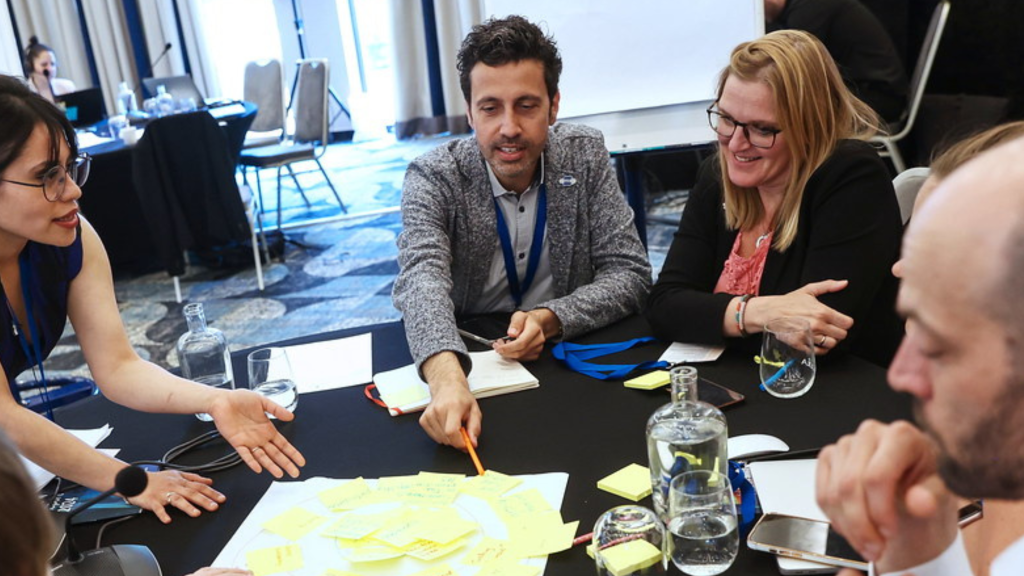
18.12.2025The Workshop on Engaging with Young People and recently diagnosed, part of EMSP’s Membership Capacity Building (MCB) Programme, was held in 2022. It brought together representatives from various EMSP member organisations to share experiences and best practices. In this article, you can explore the main outcomes of the workshop.
The workshop was focused on 4 main sections with different practices of engagement.
1) Formal membership and engagement within the organization
This category focuses on how patient organisations can formally involve young people with MS in their structures and activities:
- Membership: it focus on reducing barriers to participation by offering adapted membership conditions, facilitating access to activities – offering discounts and free online activities-, and encouraging peer-to-peer connections. These approaches help young people feel welcomed and supported from the moment they join an organisation.
- Representation on board: ensures that young people have voice in decision-making process.
- Ambassadors: it’s a way to empower young people to represent their community, raise awareness and engage with external audiences.
- Part of the team: Having young people with MS as part of the team allows them to contribute with their skills and perspective, creating more visibility and long-term engagement
2) Capacity building and events
This category highlights practical ways patient organisations can support and engage young people through learning opportunities and peer connection.
- Meetings are often organised in person and online, to encourage open discussion and peer exchange. When the meetings are in person, they are often organised in informal settings such as bars or cafes. Regular meet-ups help young people connect, share experiences, and reduce feelings of isolation. In other meetings, representatives of the societies are also involved to better connect with the group.
- Dedicated groups offer age-specific spaces where young people with MS can meet others in similar situations. These groups may be informal or more structured and allow participants to shape discussions and activities according to their needs.
- Workshops and networking activities focus on providing information and building confidence, particularly for people who are newly diagnosed. Educational sessions and seminars also act as entry points to the organisation and help strengthen long-term engagement.
- Addressing issues important to young people is a key element of capacity building. Communication, workshops, and information activities focus on topics such as invisible symptoms, fatigue, education, work, emotional well-being, relationships, sexuality, and family life. Tailored resources for children and young people, including age-appropriate information, help increase understanding and inclusion.
- Events and activities. Short-term or occasional activities are often preferred by young people, while dedicated events for newly diagnosed individuals usually work well. Activities may include sports, leisure, awareness-raising initiatives, and employment-focused events, as well as larger national or regional gatherings that increase visibility and community engagement.
3) Resources and communications
This category focuses on how patient organisations provide clear, accessible, and timely information, particularly at the moment of diagnosis.
- Welcome packages often include basic information, guidance on next steps, and contact details for further support.
- Resources for newly diagnosed people:
- Newsletters, magazines, and blogs are used to maintain regular communication. These channels share personal stories, practical information, and updates on activities, helping strengthen engagement and visibility. Tailored written materials, including brochures and dedicated webpages, can make information more relatable and easier to understand.
4) Services and helpline
This category focuses on direct support services that patient organisations offer:
- Services may include access to healthcare-related activities (such as adapted physiotherapy), social and community support, and expert consultations. Many organisations provide guidance through social workers or community workers who help individuals understand and discover available services, benefits, and referrals. Peer-support initiatives, including buddy or mentoring programmes, also play an important role by offering personal, experience-based support during the early stages after diagnosis.
- Information lines and helplines often serve as a first point of contact for people seeking information or support. These services respond to questions via phone, email, or digital platforms and may involve professionals such as social workers, neurologists, or legal advisors. Easy access to reliable information helps reduce uncertainty and supports timely access to appropriate services.
If you would like more information on how to engage with young people, please contact Anna Revilla, our Community Manager who leads the Young People’s Network.